Fencing Fundamentals: What Every Homeowner Needs to Know Before Installation Jun 28, 2026
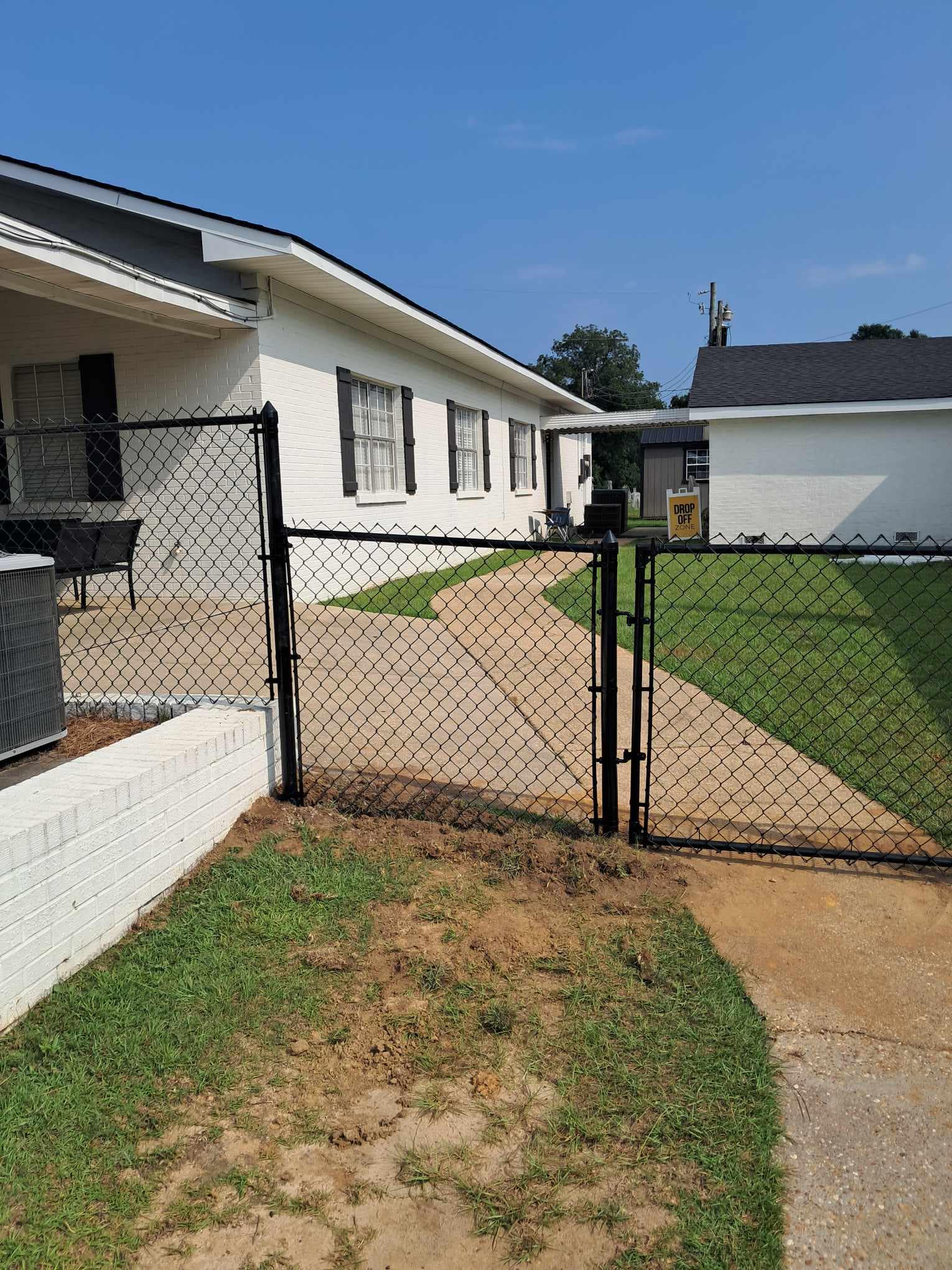
A good starting point is understanding your purpose. Are you installing a fence for privacy, security, aesthetics, or to keep pets and children safe? Clarifying the primary purpose will shape your choices regarding design, material, and height. For instance, privacy fences are often taller and made of solid materials like wood or vinyl, whereas simple boundary demarcator fences might be shorter and could be made from picket or chain link materials.
Once you've defined the purpose, consider the various materials available. Wood remains a popular choice due to its classic look and versatility. Vinyl offers low maintenance with a sleek finish, while metal, such as aluminum or wrought iron, provides robust security. Each material has its pros and cons. Wood, while charming, requires regular maintenance. Vinyl is virtually maintenance-free but can be more expensive upfront. Metal offers strength and durability but may not provide as much privacy unless combined with other materials or designs.
Next, decide on the style that complements your home’s architecture. Fencing styles such as picket, split rail, or horizontal slat can dramatically alter your home’s curb appeal. Consultation with a professional, like those at Barnes Family Fencing, can provide insights into what styles will not only look pleasing but also meet practical needs.
Before installation, homeowners should familiarize themselves with local zoning laws and homeowner association regulations. Permits may be required, and there could be restrictions on fence height or style. Compliance ensures that your new fence doesn’t lead to any legal hassles or neighborhood conflicts. Barnes Family Fencing can assist with navigating local regulations to ensure a smooth installation process.
A crucial step often overlooked is setting a budget. The cost of fencing installation can vary widely based on materials, labor, and the complexity of the installation. Establish a realistic budget that considers both immediate costs and long-term maintenance. It's wise to obtain multiple quotes and understand what’s included in the service, from materials to possible future repairs.
Prepare your yard prior to installation. This involves clearing the designated area of any obstructions, checking for underground utilities, and leveling the ground if necessary. Proper preparation can save time and prevent delays during installation.
Finally, consider the potential need for post-installation maintenance. Wooden fences, for instance, may require periodic sealing or staining. Understanding the maintenance requirements helps prolong the life of your fence and keeps it looking its best.
In conclusion, a successful fencing project begins with informed decisions. By understanding your needs, exploring material options, considering style and regulations, and planning your budget, you can ensure a seamless installation. At Barnes Family Fencing, we are dedicated to assisting homeowners through every step of the fencing process, ensuring your investment brings long-lasting satisfaction and enhances your property’s value.
/filters:no_upscale()/filters:format(webp)/media/2ef484d1-294f-460d-ba4e-3f138cf986d3.jpeg)
/filters:no_upscale()/filters:format(webp)/media/5097c334-2370-4638-8152-8525a97507d7.jpeg)