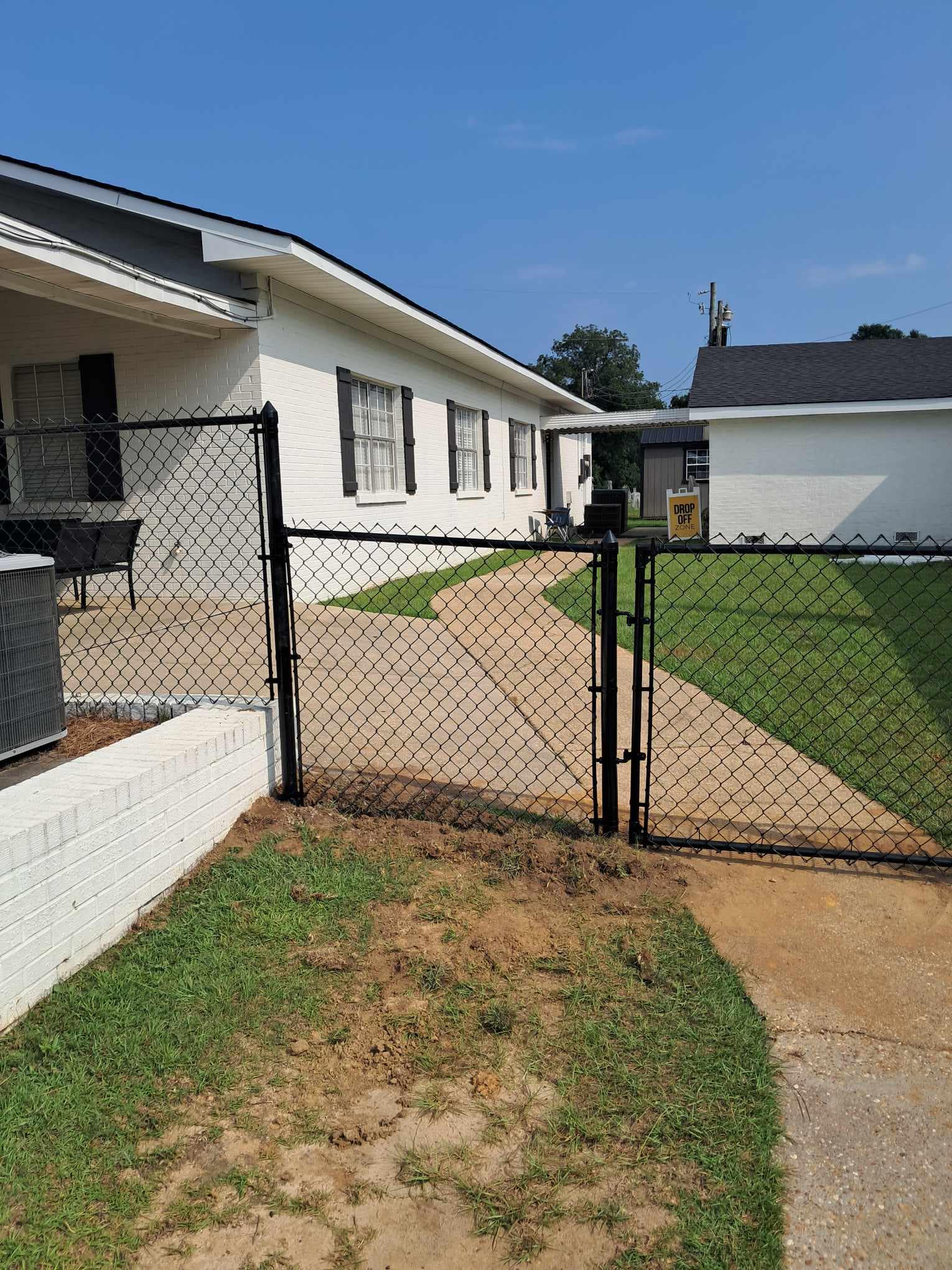
Nature Meets Structure: Integrating Your Fence into the Surrounding Landscape May 20, 2026
To start, understand the natural characteristics of your landscape. Is your garden full of vibrant flowers and greenery? Or does it boast a more minimalist, woodsy look? The first step in designing a cohesive outdoor space is to assess the existing environment. This will guide your choice of materials, colors, and styles, ensuring that your fence complements rather than clashes with its surroundings.
Consider the materials that reflect your present landscape. Wood fencing often stands out as a popular choice for homeowners looking to maintain a natural look. Its versatility allows it to fit in with lush gardens, woodland settings, or even more structured landscapes. Opt for types like cedar or redwood, which are not only robust but also take on beautiful hues that blend well over time with your landscape.
Another critical aspect is incorporating colors that harmonize with existing features in your garden. For example, opting for earthy tones if you have a lot of greenery ensures continuity. Alternatively, using contrasting vibrant hues can make your fence a striking focal point, drawing attention to specific areas, such as flower beds or ornamental trees.
Strategic planting can further enhance the natural integration of your fence into the landscape. Consider planting climbing plants, like ivy or wisteria, which can soften the rigid lines of a wooden or metal fence. Conifers or flowering shrubs placed alongside can also add texture and color, creating a seamless transition between the man-made and the natural.
An additional way to incorporate nature into your fencing design is by utilizing natural materials like grasses and stones. These elements can be used to create edging that forms a natural boundary around your fence, making it look like an extension of the landscape itself. This subtle integration complements outdoor spaces without overwhelming them.
Sustainability is another important consideration when selecting fencing materials. At Barnes Family Fencing, we advocate using eco-friendly materials. Reclaimed wood or recycled materials ensure that your fencing project is not only environmentally responsible but also unique in its character.
Finally, regular maintenance is key to ensuring that your fence remains a cohesive part of your landscape. Proper treatment and care will not only extend the life of your materials but also retain the visual appeal, allowing your outdoor space to continue to flourish over the years.
In conclusion, creating an environment where nature meets structure requires thoughtful planning and execution. By choosing the right materials, colors, and plantings, you can ensure your fence enhances your landscape's natural beauty. Barnes Family Fencing is dedicated to helping you achieve a harmonious outdoor haven that respects and reflects the natural world around it. Remember, a fence should do more than just provide privacy; it should enhance and preserve the serenity of your home’s surroundings.
/filters:no_upscale()/filters:format(webp)/media/2ef484d1-294f-460d-ba4e-3f138cf986d3.jpeg)
/filters:no_upscale()/filters:format(webp)/media/5097c334-2370-4638-8152-8525a97507d7.jpeg)