Navigating Local Regulations: Ensuring Your Fencing Projects Meet Community Standards May 03, 2026
Understanding local regulations is the first crucial step when considering a new fence. Regulations can vary by county, city, or even neighborhood, often encompassing specific rules about the location, style, height, and material of the fence. Failing to comply can result in fines or, worse, the removal of the structure. Therefore, the initial phase of any fencing project should begin with thorough research into these regulations.
At Barnes Family Fencing, we recommend contacting your local planning or zoning office. They can provide insights into the specific regulations applicable to your area. Many municipalities offer online resources, making this information accessible and easy to understand. Moreover, reviewing your homeowner’s association rules, if applicable, can save you from unforeseen adjustments later. These guidelines sometimes mandate a particular aesthetic that aligns with the community's overall appearance.
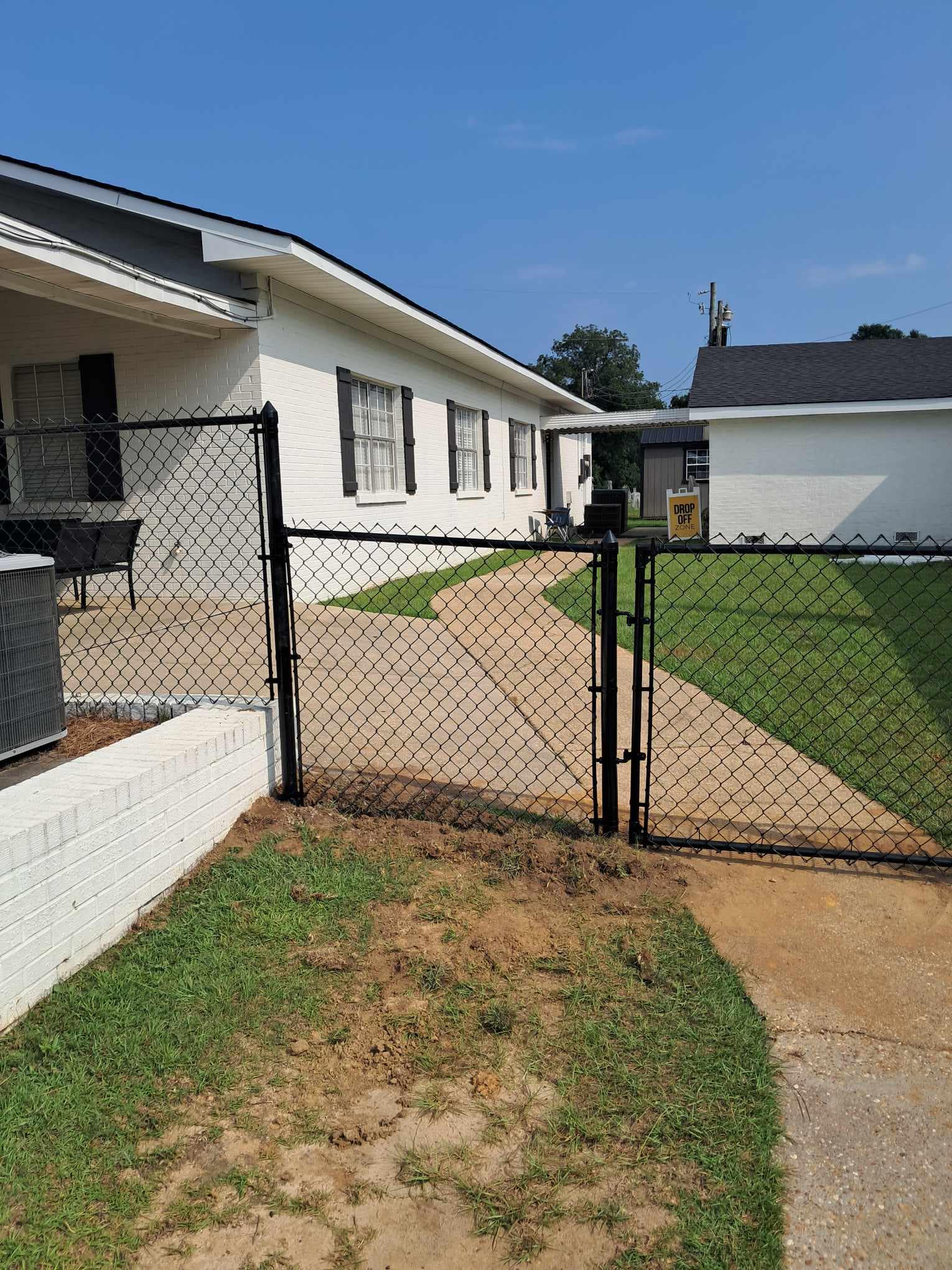
Once you have a solid grasp of the regulations, consider the design and material of your fence. The chosen style should not only complement your property but also meet the outlined regulations. For instance, certain areas restrict chain-link fences in favor of wooden or vinyl options. Understanding these preferences early will steer your project in the right direction.
Next, the planning stage should incorporate both logistical and aesthetic considerations. When it comes to logistics, ensure that your proposed fence does not encroach on neighboring properties. Misjudging property lines can lead to disputes and removal requests. It might be beneficial to consult a surveyor to confirm your property boundaries before proceeding.
Furthermore, the planning stage should take into account environmental factors, like the impact of weather conditions on the chosen materials and the fence’s placement. For instance, wooden fences may require treatments to withstand local climate conditions, whereas vinyl might be more durable but also more restricted in style per community guidelines.
Engaging with community members or neighbors can foster goodwill and prevent future disagreements. Sharing your plans and gathering feedback can often lead to collaborative ideas that enhance your property's appeal while remaining within community standard boundaries. Barnes Family Fencing encourages such interactions as they often lead to more harmonious neighborhood relations and help in avoiding complaints after installation.
In cases where regulations seem complex or overwhelming, consider enlisting professional help. The experts at Barnes Family Fencing are not only skilled in installation but are also knowledgeable about local regulations, ensuring your project meets all necessary standards without hassle. Our team can offer valuable advice and handle permit applications, leaving you with peace of mind.
To sum up, navigating local fencing regulations is integral to any successful fencing project. By thoroughly researching, planning, and consulting with both regulatory bodies and neighbors, you can ensure a seamless process. With expertise and assistance available, Barnes Family Fencing stands ready to support your project from conception to completion, aligning your vision with community standards.
By following these steps, homeowners can enjoy the benefits of a beautiful, compliant fence, enhancing both property value and neighborhood aesthetics.
/filters:no_upscale()/filters:format(webp)/media/2ef484d1-294f-460d-ba4e-3f138cf986d3.jpeg)
/filters:no_upscale()/filters:format(webp)/media/5097c334-2370-4638-8152-8525a97507d7.jpeg)